
When it comes to oats vs millet for a healthy morning breakfast, mornings can feel confusing. You want something quick, tasty, and healthy but with so many breakfast options, it’s easy to get confused. Two foods that always come up in this discussion are oats and millet.
Both are popular for a healthy morning breakfast, both are easy to cook, and both show up in countless daily breakfast ideas. But which one actually deserves a spot on your plate every day?
Let’s break it down in simple terms.
What Is Millet?
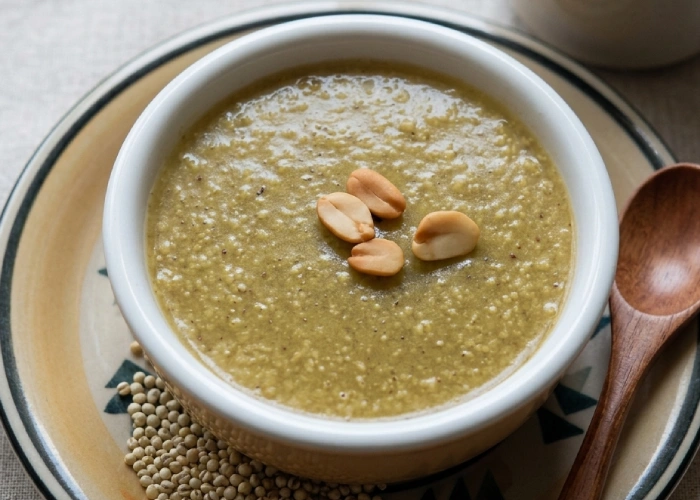
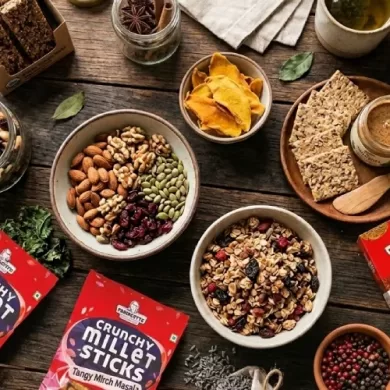
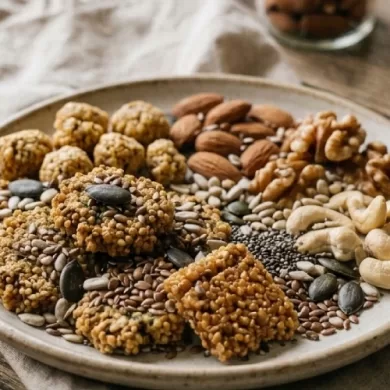
Millet is an ancient grain that has been part of Indian kitchens for generations, long before oats became popular here. It comes in many forms: foxtail, finger millet (ragi), pearl millet (bajra), and more. Today, roasted millet is becoming a favorite for people who want something crunchy, nutty, and filling for breakfast.
Millets are naturally gluten-free and are generally a good source of dietary fiber, iron, magnesium, and other essential minerals.
What Are Oats?
Oats are another well-known breakfast grain, loved for being quick to cook and mild in taste. They are a good source of soluble fiber, particularly beta-glucan, which is commonly associated with heart health.
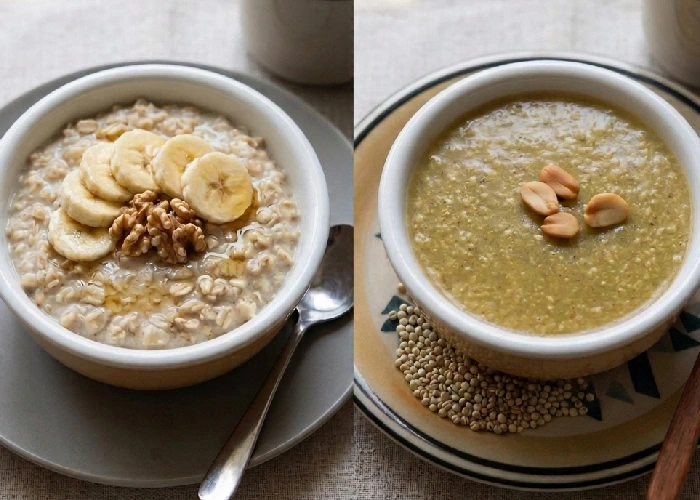
Oats are rich in soluble fiber, while millets generally provide a wider range of minerals such as iron, calcium, and magnesium. Both bring something different to the table, and the better choice often depends on what your body needs.
Is Millet Healthier Than Oats?
There’s no single answer that fits everyone. Millet tends to offer a broader mineral profile including iron and calcium along with a lower glycemic index, which means it releases energy more gradually. Oats, on the other hand, are easier to cook quickly and are well known for their soluble fiber content. If your goal is a variety of minerals and a traditional, filling breakfast, millet has an edge. If you want something soft, mild, and ready in minutes, oats are a dependable option.

Best Healthy Morning Breakfast Option
The truth is, there isn’t one universal “best” option it depends on your goals:
- Choose millet if you want a more traditional, mineral-rich, filling breakfast with a lower glycemic index.
- Choose oats if you want something quick, mild, and easy to prepare for kids or a fast morning.
Why Millet Fits Well Into Daily Breakfast Ideas
Millet is flexible and easy to include in your routine. You can enjoy it as:
- A warm bowl of roasted millet porridge
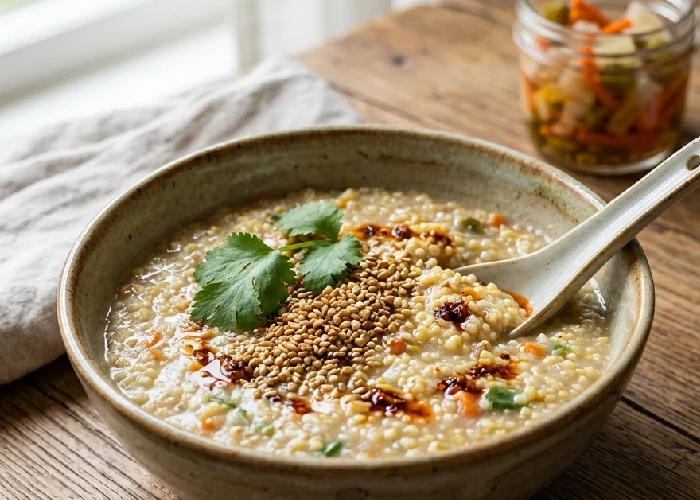
- A quick millet-based congee for busy mornings
- Mixed into idlis, dosas, or upma
- As a simple roasted snack alongside your tea
Since millet tends to keep you full for longer and digests gently, it fits naturally into a healthy morning breakfast routine.
A Convenient Way to Add Millet to Your Mornings
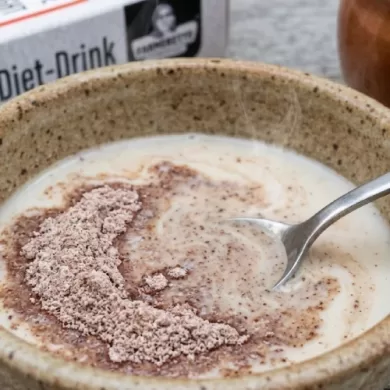
If you like the benefits of millet but don’t always have time to cook it from scratch, a ready millet-based option can help bridge that gap. If you’re looking for a convenient millet breakfast, Farmerette Millet Protein Congee is an easy option for busy mornings combining roasted millet with added protein for a wholesome, no-fuss start to the day.
Simple Tips to Build a Healthier Breakfast Routine
Is millet better than oats for weight loss?
Millet’s higher fiber content and lower glycemic index may help keep you fuller for longer, which can support weight management. Oats are also helpful due to their soluble fiber, so both can work depending on your routine.
Can I eat millet every day?
Yes, millet is generally safe for daily consumption in reasonable portions as part of a balanced diet.
Is roasted millet healthy?
Yes, roasting millet enhances its flavor and crunch while retaining most of its fiber and nutrients, making it a good snack or breakfast base.
Which is easier to digest, oats or millet?
Both are generally easy to digest. Millet is often considered gentle on the stomach, while oats’ soluble fiber supports regular digestion. Individual tolerance can vary.

FAQs
Why are sprouted millet snacks better than regular roasted snacks?
Sprouting activates natural enzymes in millet grains, breaking down phytic acid and enzyme inhibitors. This process dramatically improves gut digestibility and enhances the bioavailability of minerals like iron, calcium, and zinc.
How do preservative-free snacks stay fresh without chemical additives?
Clean snack brands rely on physical preservation methods such as moisture reduction through slow roasting, nitrogen-flushed packaging, and high-barrier foil pouches that protect the ingredients from light and oxygen degradation.
Are baked millet snacks suitable for weight management goals?
Yes. Baked millet snacks contain higher dietary fiber and protein compared to fried potato chips. Fiber increases satiety and slows gastric emptying, helping you stay full longer while consuming fewer overall calories.
Final Verdict
Both oats and millet have a place in a healthy diet. Oats offer convenience and soluble fiber, while millet brings a wider range of minerals, a lower glycemic index, and roots in traditional Indian cooking. Rather than choosing one over the other permanently, many people find it works best to include both leaning on millet for its mineral density and traditional appeal, and oats for quick, mild mornings.
The next time you’re planning your daily breakfast ideas, consider giving roasted millet a try alongside your regular oats. Your body may thank you for the variety.


Add comment